


Gifting Made Simple
Give the Gift of ChoiceClick below to purchase a Place Rosemère eGift Card that can be used at participating retailers at Place Rosemère.Purchase HereHome
100 years of European cinema : Entertainment or ideology?
LIBRAIRIE CARCAJOU
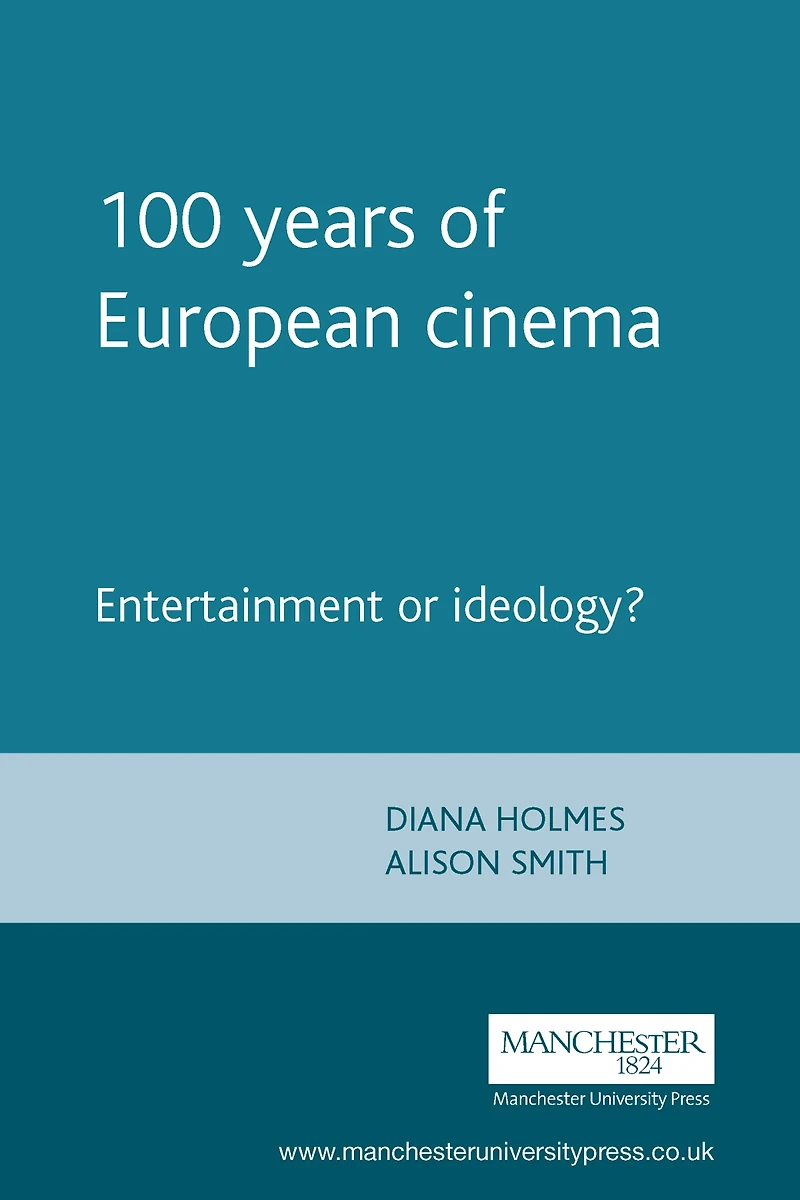
100 years of European cinema : Entertainment or ideology?
By Librairie Carcajou
LIBRAIRIE CARCAJOU
100 years of European cinema : Entertainment or ideology?
By Librairie Carcajou
Cinema provides entertainment, but it also communicates a set of values, a vision of the world or an ideology. From its beginnings more than a century ago, European cinema has dealt with the tension between these two functions in a variety of ways: at the extremes, dictatorial regimes have sweetened the pill of ideology with the sugar of entertainment. Meanwhile, spectators have persisted in seeking out, above all, the pleasure film can provide.
Now available again in paperback, this book explores the complex relationship between entertainment, ideology and audiences in European film, through studies that range from the Stalinist musicals of the 1930s, to cinematic representations of masculinity under Franco, to recent French films and their Hollywood remakes.
Diverse and entertaining, this study is addressed to students of film – especially French, German, Russian or Spanish – and to those readers and academics interested in both the history of cinema and in European culture.
Cinema provides entertainment, but it also communicates a set of values, a vision of the world or an ideology. From its beginnings more than a century ago, European cinema has dealt with the tension between these two functions in a variety of ways: at the extremes, dictatorial regimes have sweetened the pill of ideology with the sugar of entertainment. Meanwhile, spectators have persisted in seeking out, above all, the pleasure film can provide.
Now available again in paperback, this book explores the complex relationship between entertainment, ideology and audiences in European film, through studies that range from the Stalinist musicals of the 1930s, to cinematic representations of masculinity under Franco, to recent French films and their Hollywood remakes.
Diverse and entertaining, this study is addressed to students of film – especially French, German, Russian or Spanish – and to those readers and academics interested in both the history of cinema and in European culture.
You May Also Like













More About LIBRAIRIE CARCAJOU at Place Rosemère
Bookstore for adults & children. Order & research service available, as well as online information & reservations.
401 Boul. Labelle, Rosemère, QC J7A 3T2, Canada
Find LIBRAIRIE CARCAJOU at Place Rosemère in Rosemère, QC
Visit LIBRAIRIE CARCAJOU at Place Rosemère in Rosemère, QC